You may never have wondered what is inside a wood varnish, or what it does to your health and the environment. But you will have noticed that some treatments last much longer than others. Unfortunately, the varnishes that performed best used to be the most hazardous for people and nature. Until recently.
Four ingredients
Whether paint, impregnating stain or any other protective wood treatment, you will find four components: a polymer binder, a solvent or dispersant, a pigment (and possibly fillers), and various additives.
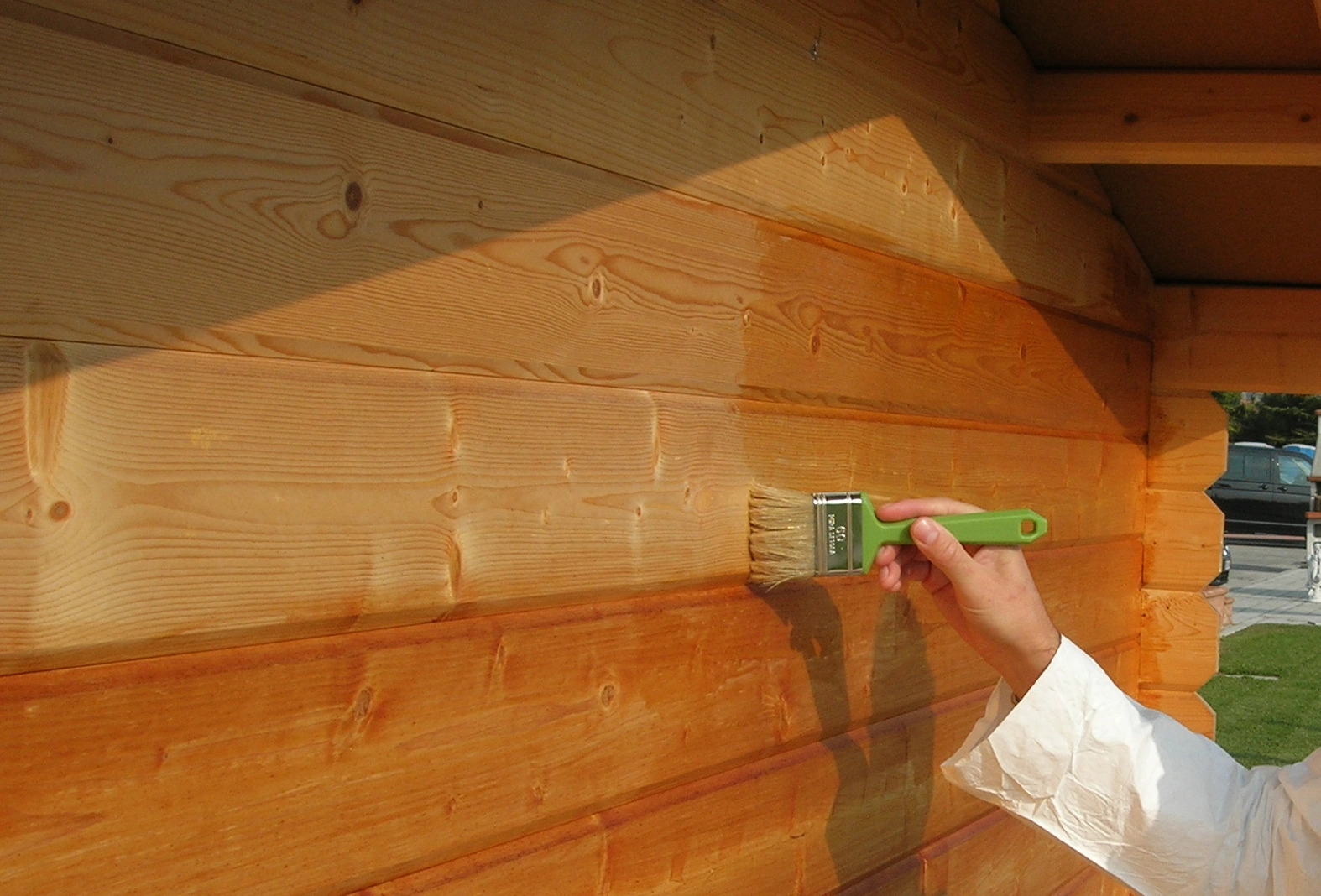
Solvent: the water question
Solvents are harmful to health and the environment; happily, manufacturers have been replacing them with water-based systems. But there are two kinds. Water-soluble products use water as the dispersant, completely replacing the solvent. Water-dilutable products merely use water to thin a varnish that still contains organic solvents.
How do you tell? The VOC content (volatile organic compounds), which must be stated on the label. The closer to zero, the healthier the product.
Binder: the fossil problem
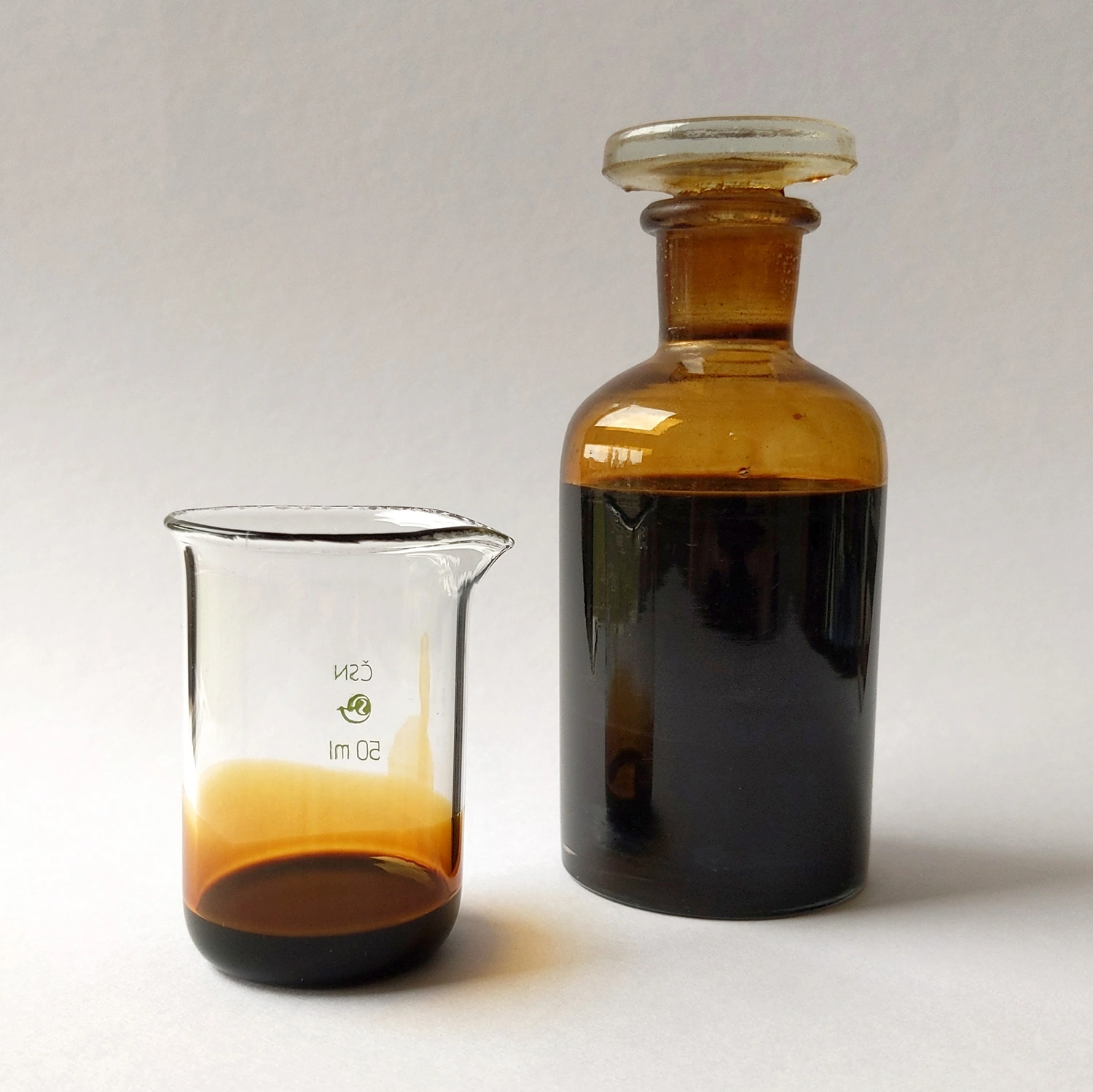
The binder resin is the essential component: it determines performance and longevity. Acrylic and vinyl resins go into wall paints, epoxies into concrete floor coatings, polyaspartics, methacrylates and so on. For wood, one of the best performers is polyurethane: flexible, tough films with good chemical and abrasion resistance, no yellowing, and excellent durability outdoors. Traditionally, it is made from petroleum.
Research has now found a route to resins of plant origin, using vegetable oils - soy, linseed, cashew - as the raw material (see the EU-funded projects on CORDIS and university reviews of bio-based wood coatings).
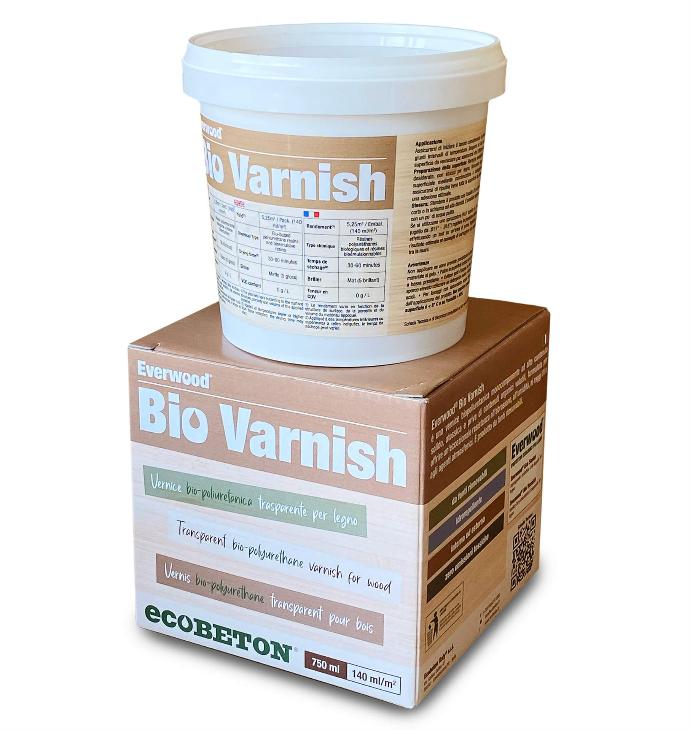
With these bio-renewable resins we formulated Everwood Bio Varnish: a bio-polyurethane wood protection from renewable sources. Zero VOC. Top-level performance.
For UK timber
Pair it with Everwood Eco Sealer underneath for penetrating protection against water and woodworm - the sealer works with every finish, including this one.