A careful assessment of the substrate and a considered choice of preparation method drastically cut the risk of failure in any surface renovation. Here are the checks we recommend before applying Ecobeton impregnations and overlays - and the methods that prepare the substrate properly.
General principles
Every renovation meets different conditions. Whatever the system, success depends on preparation, and the right method depends on: the substrate's intrinsic condition (strength, bond-inhibiting contaminants, previous coatings); the owner's constraints (keeping the business running, protecting surroundings); the material's requirements; and the application conditions (temperature, weather). Surfaces can hide defects that doom a coating unless found first.
The fundamental questions
Is the substrate structurally sound? No coating stabilises a structure. If it is seriously compromised, removal and replacement should be considered.
Is there a vapour barrier? Ecobeton coatings tolerate the intrinsic moisture of concrete, but rising moisture can cause saponification and detachment. Test: tape a 1 m x 1 m polythene sheet to the floor; if moisture appears beneath it after 24 hours, open the pores and treat to saturation with Evercrete Pavishield, then repeat the test no less than a week later.
Are there cracks? Establish their nature and extent before anything else.
Is the surface porous enough to bond? Pour water on a small area: if it beads and sits, the surface must be roughened - and the test also reveals sealers that inhibit absorption. Power-floated floors usually need roughening.
Is there a previous coating? Paints, resins, waxes will partly or wholly prevent adhesion and must be removed.
Were curing agents or additives used? Hard to tell by eye, valuable to know. Air-entraining agents in particular can cause long-term saponification and detachment regardless of preparation.
Is there efflorescence? Salt deposits are a sure sign of a moisture problem. Treat the concrete with Pavishield or Vetrofluid before coating.
Preparation methods
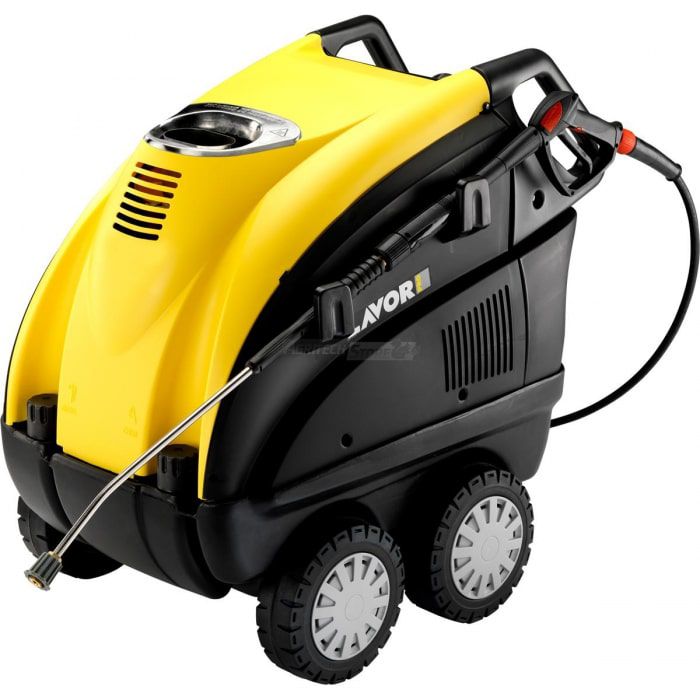
Pressure washing (200-1000 bar): mainly outdoors; removes poorly bonded coatings, cleans and hydrates the substrate. Not suitable for roughening a dense surface.
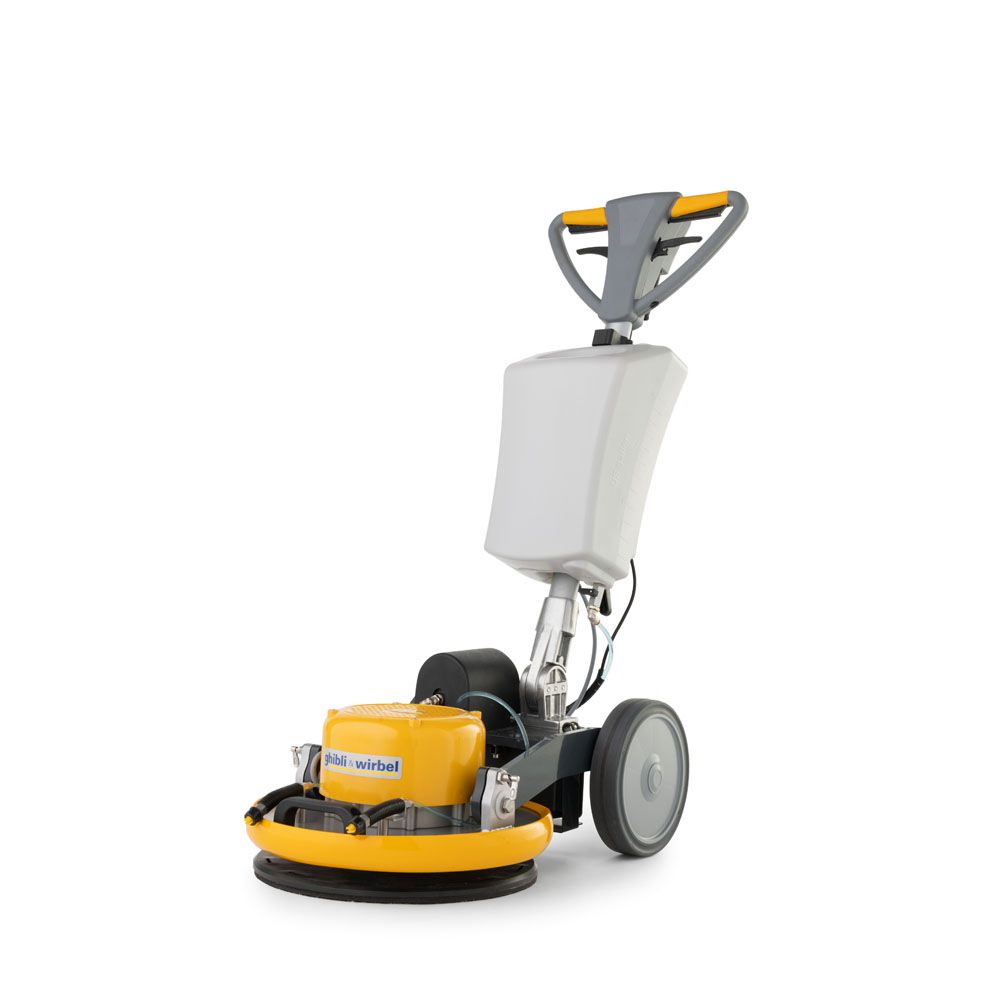
Diamond grinding: removes a few millimetres and opens the surface, taking off resin and other treatments. Very dusty - clean afterwards. Industrial use.
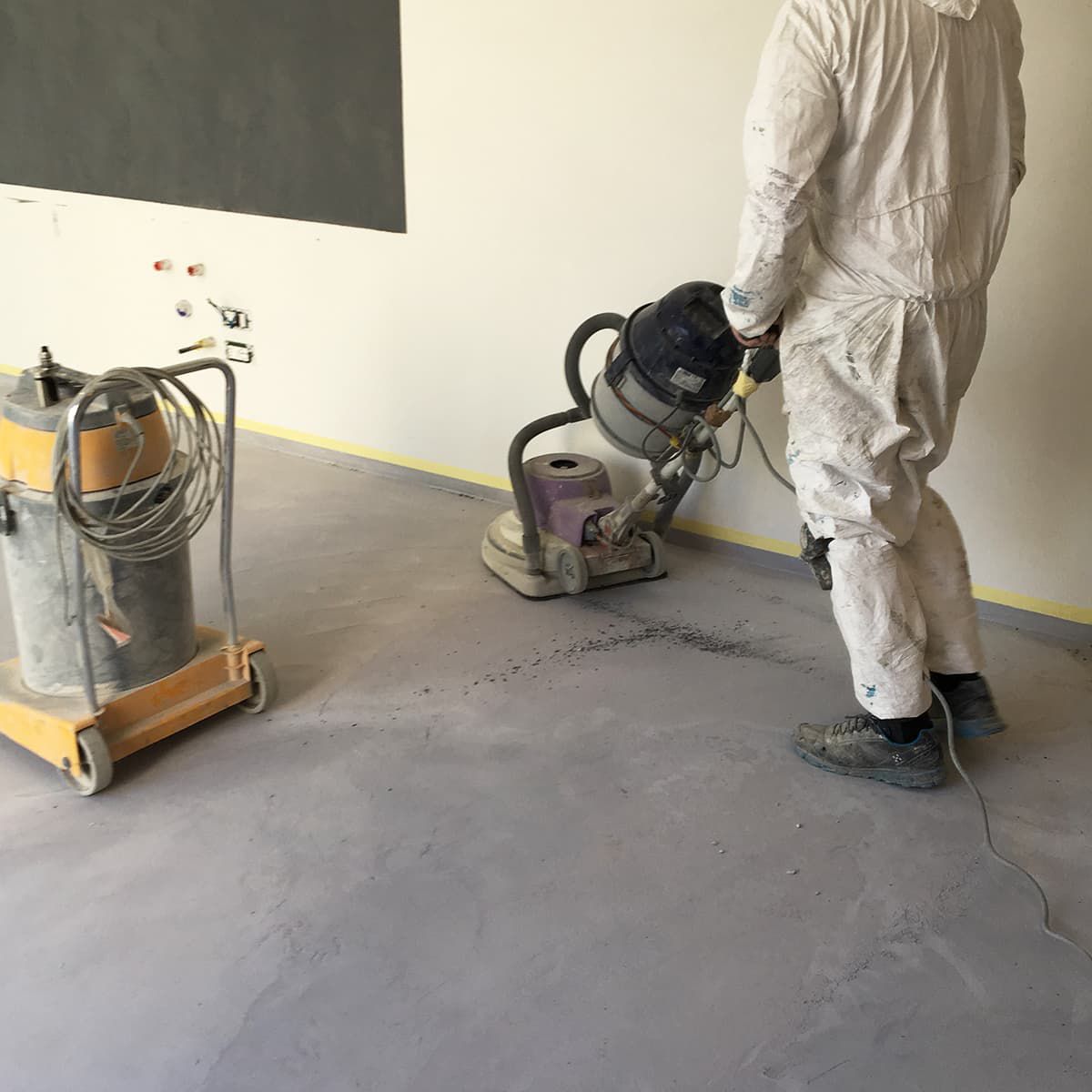
Sanding with a rotary machine and abrasive discs (grit 36-120): indoors or out, ideal for opening the pores of concrete, screed or power-floated floors. Not for heavy removal of resins or adhesive residues.

Scarifying (milling): economical and fast for removing substantial layers, from millimetres to centimetres, with a toothed drum. Dusty; clean afterwards.
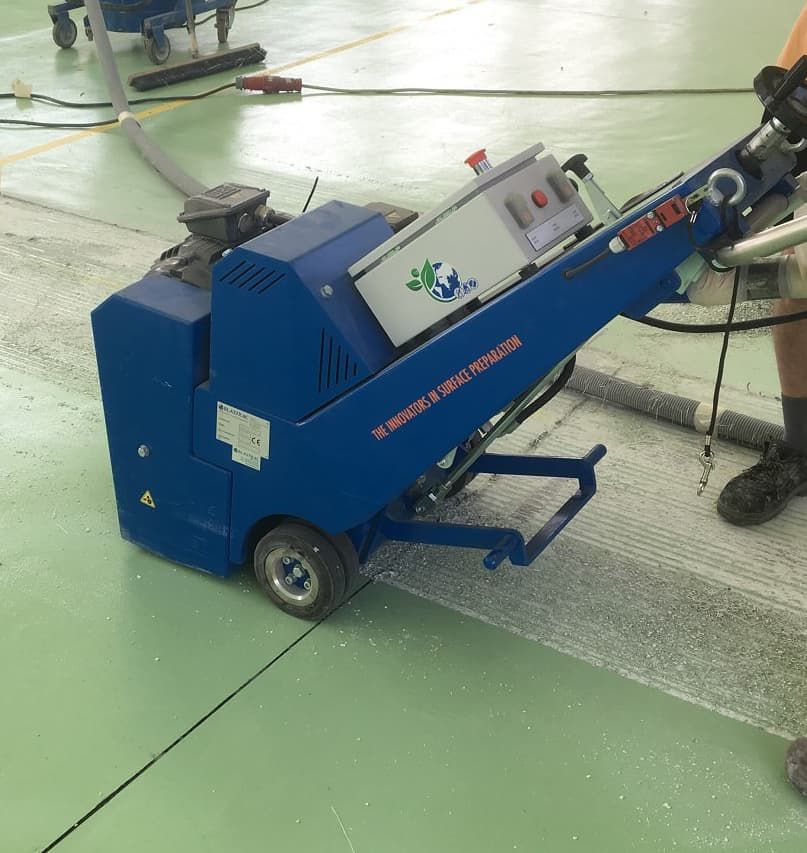
Shot blasting: steel shot removes every coating, dirt, laitance and contaminant, with dust and shot contained inside the machine. The safest method; recommended for large industrial areas.
Acid etching with neutralisation: not recommended, but a fallback. Hydrochloric acid diluted 1:4, worked with a stiff broom; then mandatory neutralisation with sodium bicarbonate (1 kg per 20 L water, at least 20 minutes) and thorough rinsing.
Need a second opinion on a UK substrate? Send us photos.