There is no point denying it: we love concrete. It was the material of the twentieth century, handled with elegance by Scarpa, Nervi and Le Corbusier, and shaped by countless architects into works that are now part of humanity's heritage.
We have always known that concrete carries a heavy ecological footprint - which is precisely why our mission is to protect it and make it last as long as possible.
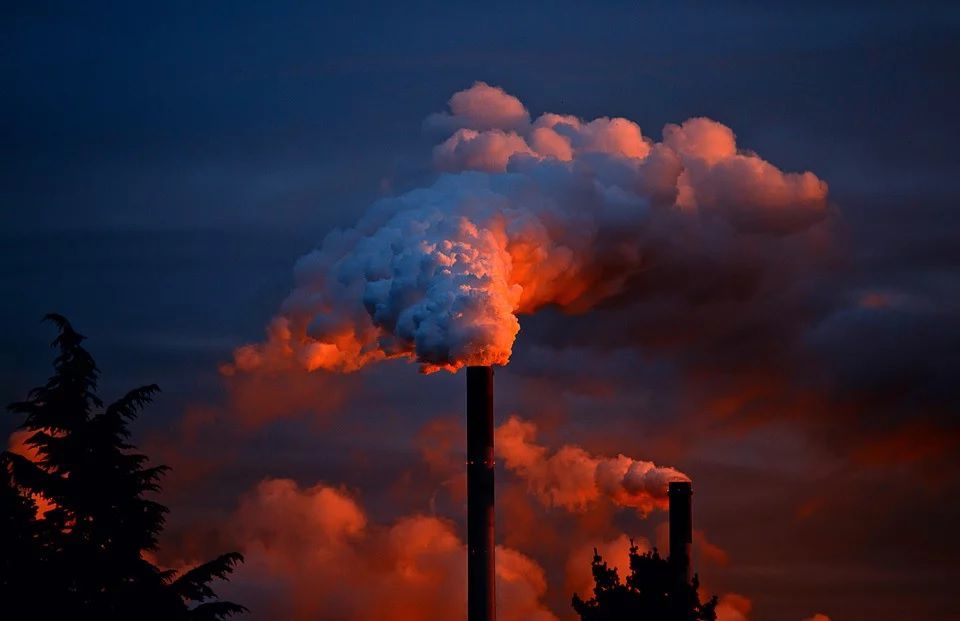
Cement is the third largest source of CO2
It is now clear we cannot design a future on this material as it stands. Producing a tonne of cement releases roughly a tonne of CO2, counting the fuel burned in the kilns and the CO2 released chemically by calcination. Reinforced concrete construction accounts for around 5% of global warming, with estimates rising.
Many cement producers now offer "greener" cements with lower environmental impact - but the emission reductions on offer do not strike us as a real turning point.
An alternative: geopolymers
Scientific research offers another route: geopolymers. The discovery of this class of inorganic materials - resins, binders, cements and concretes based on geopolymers - has triggered wide interest and a kaleidoscope of applications.
Geopolymers are inorganic polymers produced at low or ambient temperature, with mechanical performance, fire resistance and environmental credentials decisively superior to Portland cement. CO2 savings are estimated at over 80%, alongside a marked increase in performance - and above all in durability, concrete's Achilles heel.
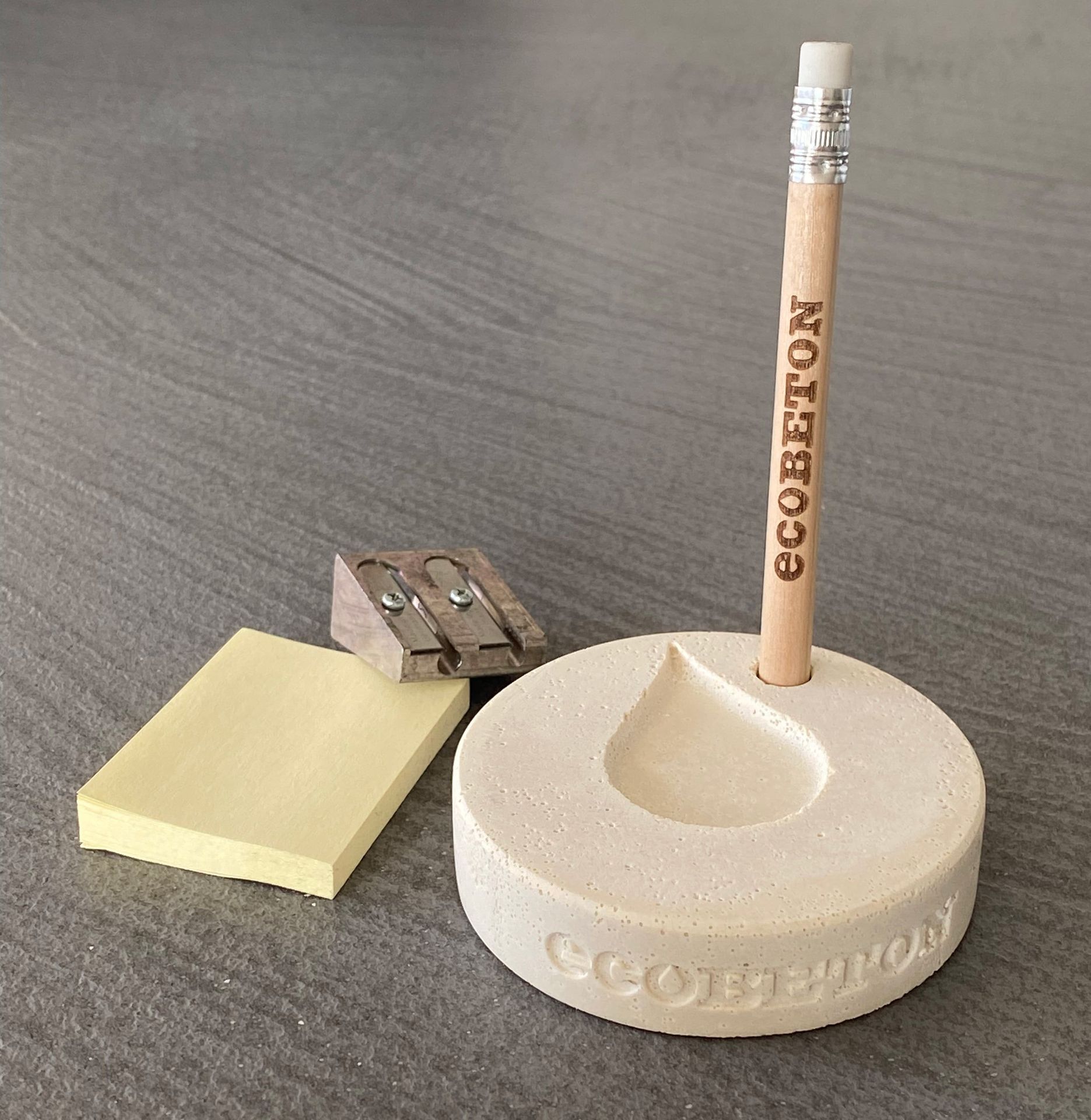
Ecobeton has been developing a new class of geopolymer-based products; the early results are very promising. In the meantime, the most sustainable concrete is the one that lasts - which is what our protection treatments are for.