Installing microcement but worried it will not survive your teenager's parties? The architect suggested lining the shower with it, and the thought of cleaning it scares you? Here is a short guide to making the right choice.
Mineral cementitious finishes are naturally porous and absorbent, so microcement must be finished with a waterproofing layer - typically a wax, a water repellent or a clear resin. That final choice is what preserves the handcrafted beauty of a trowelled surface over time.
Wax on, wax off
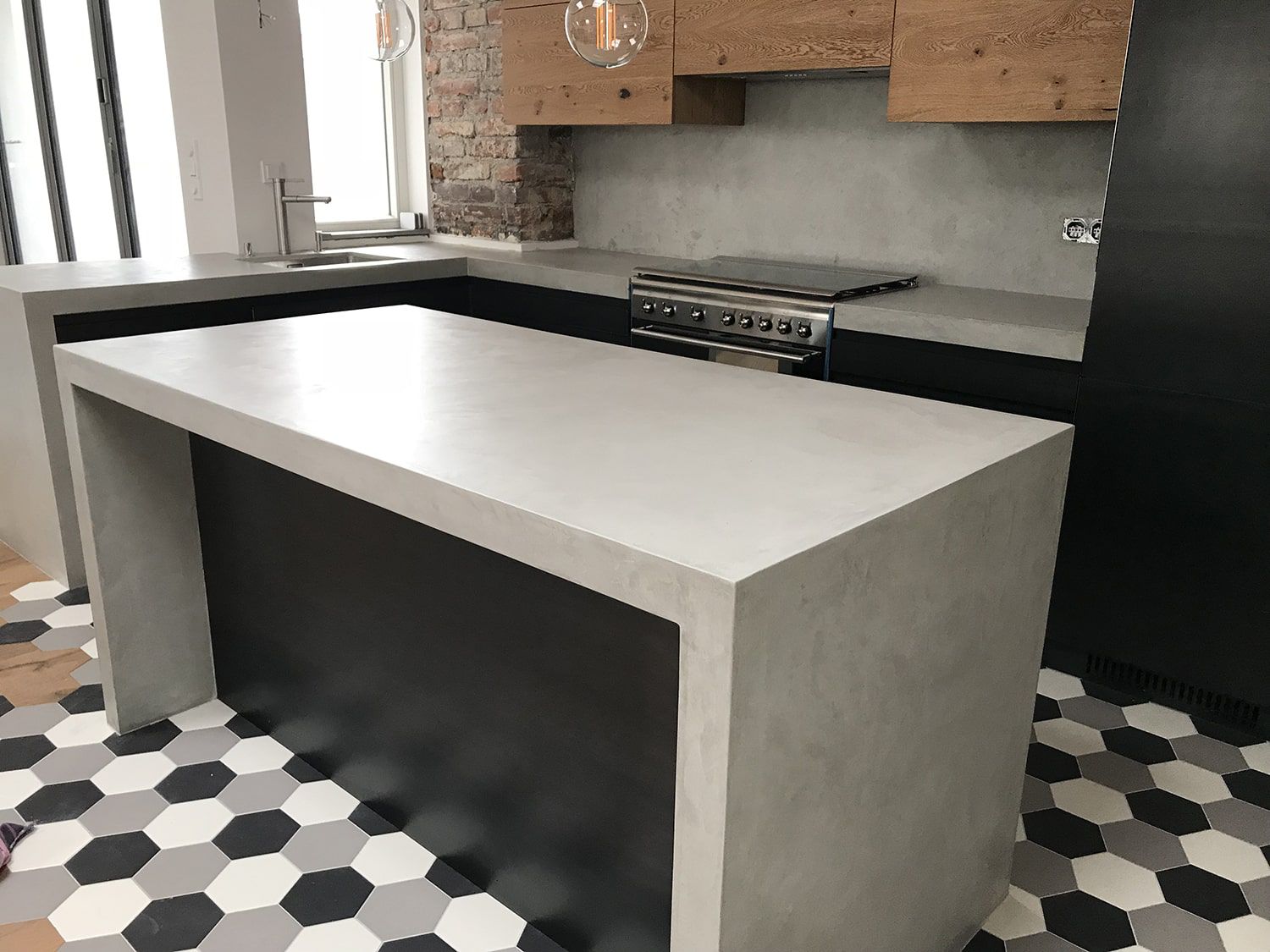
Thin cementitious coating is also known as "beton cire" - waxed concrete. Wax gives decent waterproofing and easy cleaning, but it is the shortest-lived treatment (it needs regular reapplication), tends to alter the colour, and is unsuitable for wet areas like showers and basins.
Water repellents
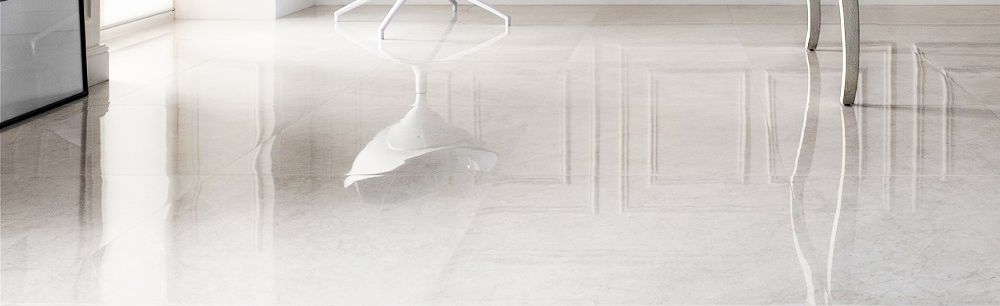
Impregnating compounds that make liquids bead up. The effect fades with time and, above all, they resist common aggressive liquids - coffee, lemon juice - poorly.
Clear resins (sealers)
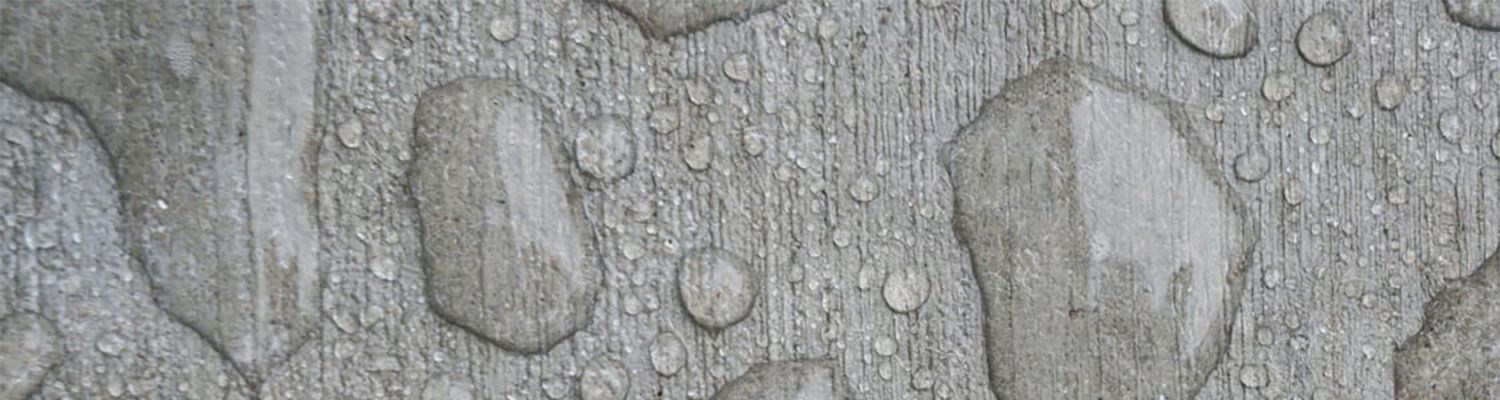
By far the most used. Epoxy, acrylic, polyurethane, methacrylate... The first distinction is solvent-based versus water-based: solvent sealers leave a thicker, more protective film - but a glossy, "plasticky" one that ruins the natural, material look.
What an effective, good-looking sealer needs
UV resistance. The sun tans clear resins too - it yellows them. Epoxies suffer most and are usually unsuitable. Even non-yellowing polyurethanes should contain UV filters to preserve the chosen colour. (As with wood, areas long shaded by a rug or furniture will end up brighter than the rest.)
Waterproof and party-proof. Sooner or later that ketchup stain gets through. But while some resins hold for hours, the best formulations resist coffee, cola, lemon, wine and acetone for days or weeks. Polyurethanes do this very well, especially two-component. Combining an acrylic (excellent for waterproofing) with a polyurethane gives safe protection even in showers, basins and steam rooms.
Scratches and wear. Whether it is the cat sharpening claws on the new wall or a chair dragged as only a teenager can, the sealer must resist scratching - achieved with polyurethanes reinforced with mineral fillers.
Gloss or matt? Each to their own, but matt shows off the craftsmanship far better. In any case the sealer must not darken or shift the chosen colour.
Driveable? Yes - some protectives work outdoors, some are trafficable. In garages, beware hot-tyre pickup: tyres heated on the motorway expand, then contract as they cool, gripping and pulling the sealer off the floor. GiGi Sealer, a polyurethane protective, can be used outdoors on driveable surfaces.
Eco-friendly. Measured as VOC content, which we believe should tend to zero. Resins are normally fossil-derived, but plant-derived bio-resins are arriving, and the isocyanate component of polyurethane is being replaced with healthier compounds.
No single product does all of this - which is why a "mixed cycle" of layered sealers with different properties is the answer.
The Cerbero system
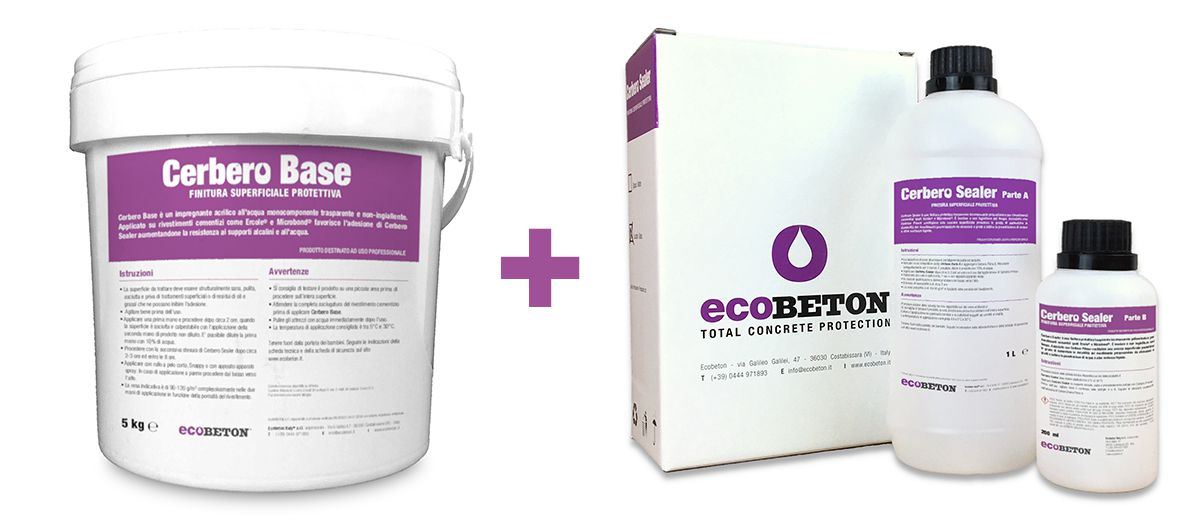
Ecobeton developed a mixed cycle of an acrylic and a polyurethane sealer that can be applied quickly to secure the finish. The acrylic - Cerbero Base, a one-component liquid - goes onto relatively fresh microcement, guarantees waterproofing, preserves the original colour and evens out absorption. A few hours later, Cerbero Sealer, a two-component polyurethane with high scratch and scuff resistance. The system is deeply matt (gloss 5) and chemically resistant:
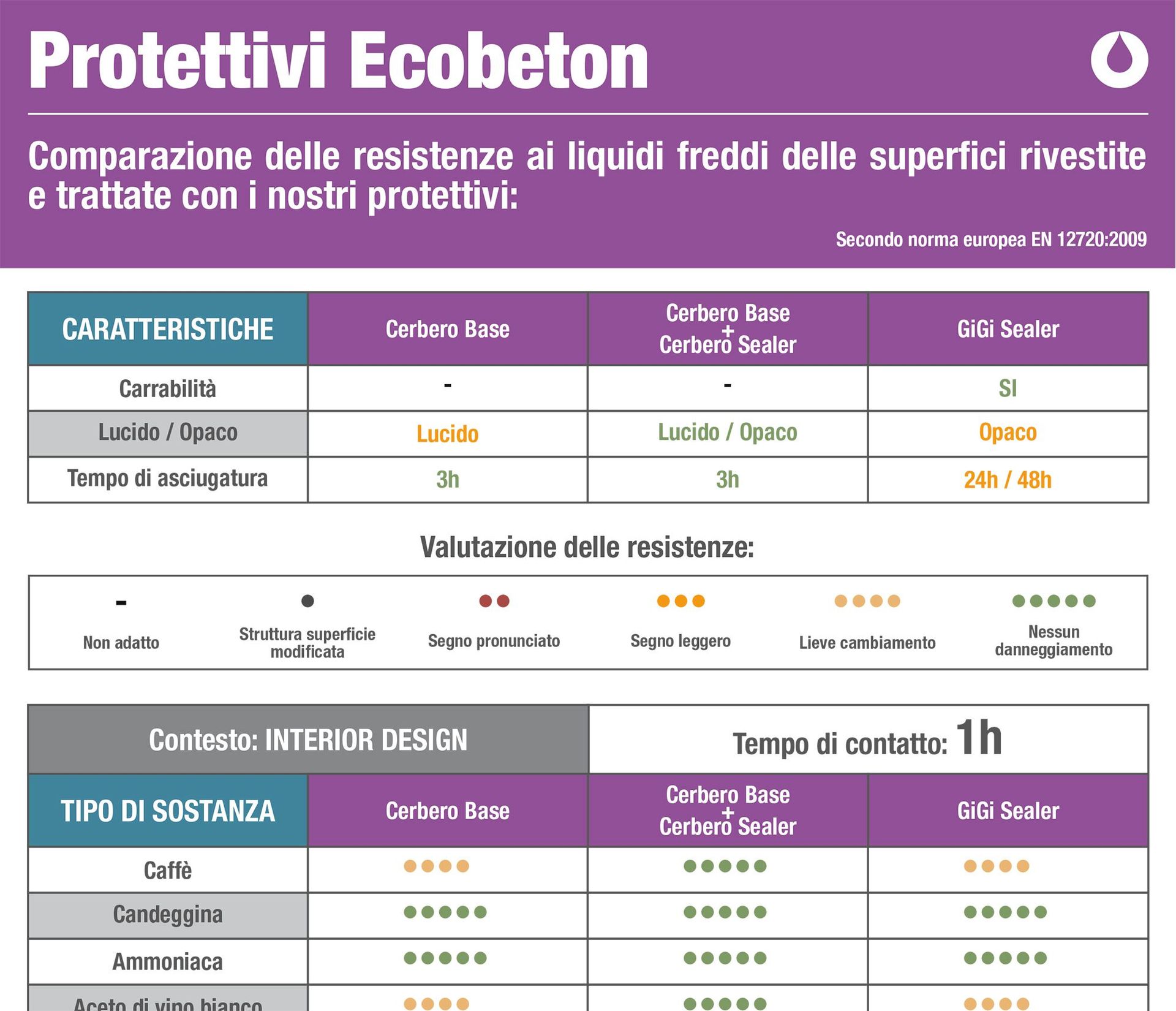
Still unsure? Ask our technical team, or browse sealers in the UK shop.
See finished projects and the full UK microcement range on our microcement floors and walls page.