Transparent protective resins are what make a microcement finish fully waterproof in wet areas - showers, bathrooms, kitchen worktops. Choosing and applying the right sealer is where many otherwise beautiful jobs are won or lost. (If you have not yet, read our guide on choosing the best protection for microcement first.)
Compatibility with the microcement
Not every sealer designed for concrete suits microcement - or, more precisely, microcement that is still partly fresh. If we could wait for full curing, the market would offer many options; in practice the sealer must go on as early as possible, while pH is still very high and residual moisture is present. Polyurethane resins cope poorly with fresh cement and cross-link less effectively. The answer is to start with an acrylic - as in the Cerbero system.
Before application
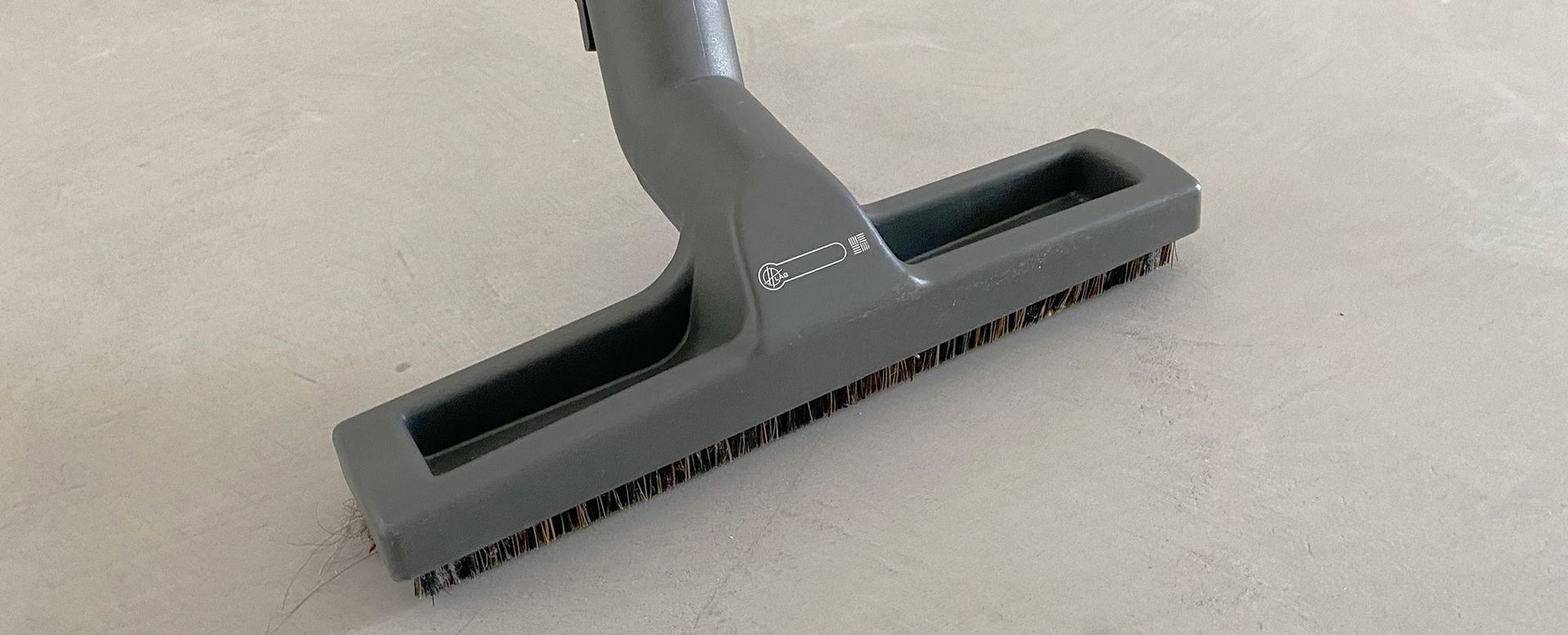
After the final coat, the surface is sanded with a rotary machine to smooth it and bring out the trowel marks. Then vacuum extremely thoroughly: a stray grain of dust left under the sealer will eventually work loose, leaving a pinhole that shows the first time the floor gets wet. (If it has happened to you, there is an easy remedy: Micromed+.)
During application
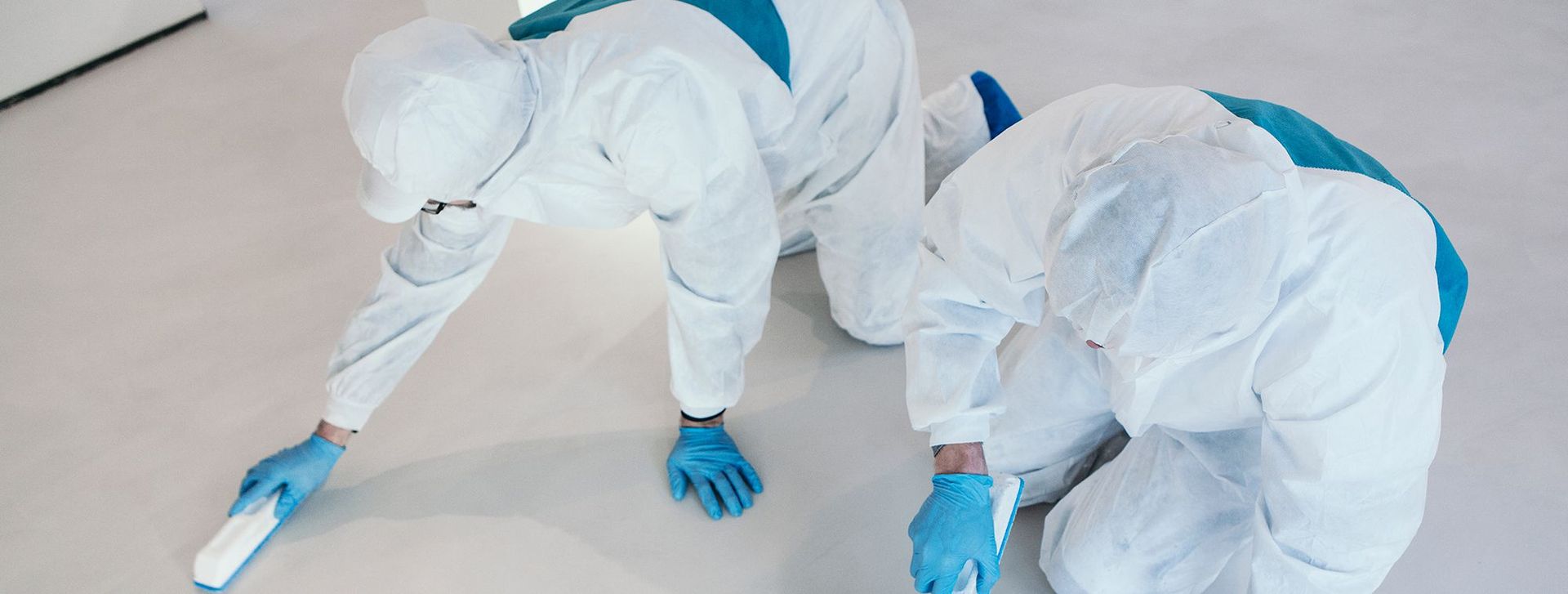
In the moments before sealing, the finish is at its most vulnerable. A single drop of sweat on untreated microcement can undo days of work. Dress appropriately and take care not to shed hair, which once embedded in clear resin cannot be removed. If you must stop for any reason, mask a clean line - preferably at a threshold.
Application method
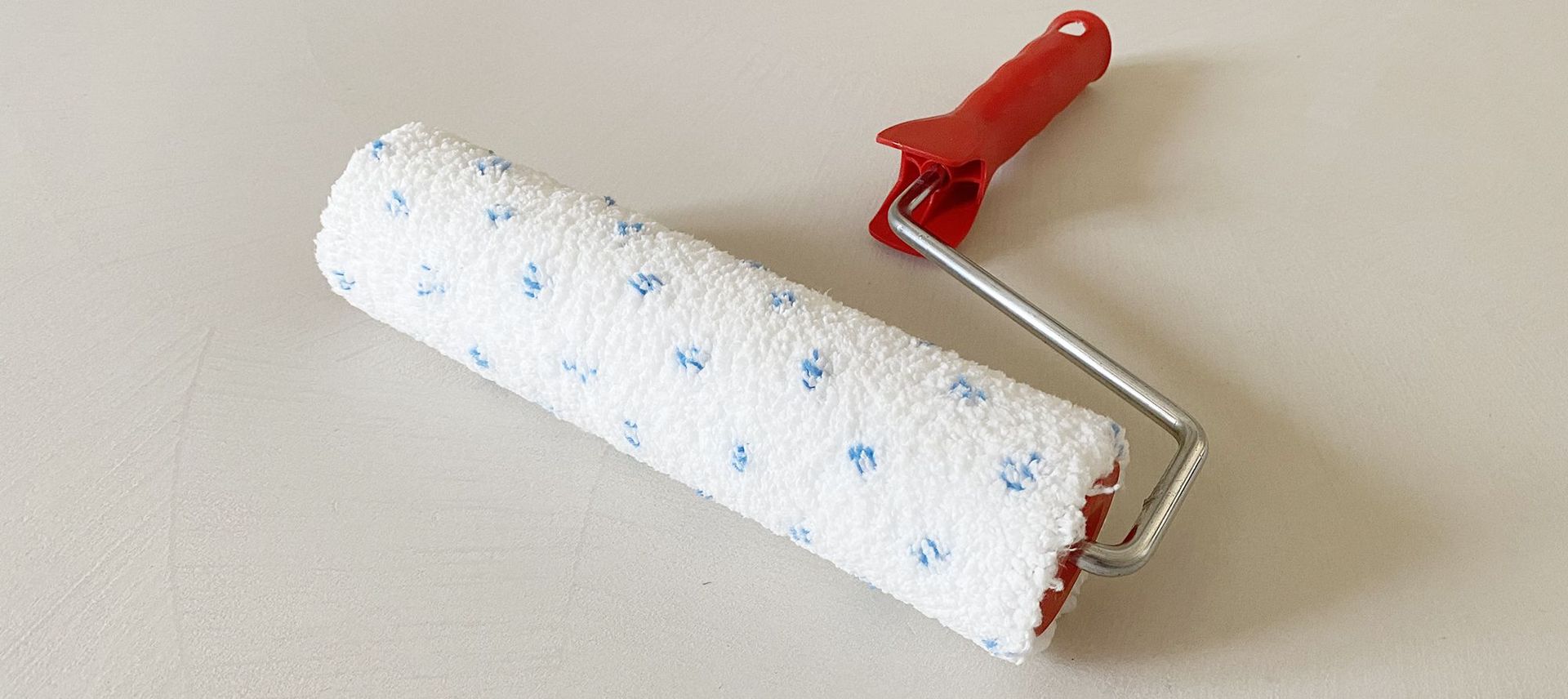
If rolling, use a microfibre roller of at least 8 mm pile. Short-pile rollers used for enamels dry the product too fast against the microcement and leave roller marks. Always cross the coats - first pass north-south, second east-west - for uniform coverage.
Avoiding scuffs
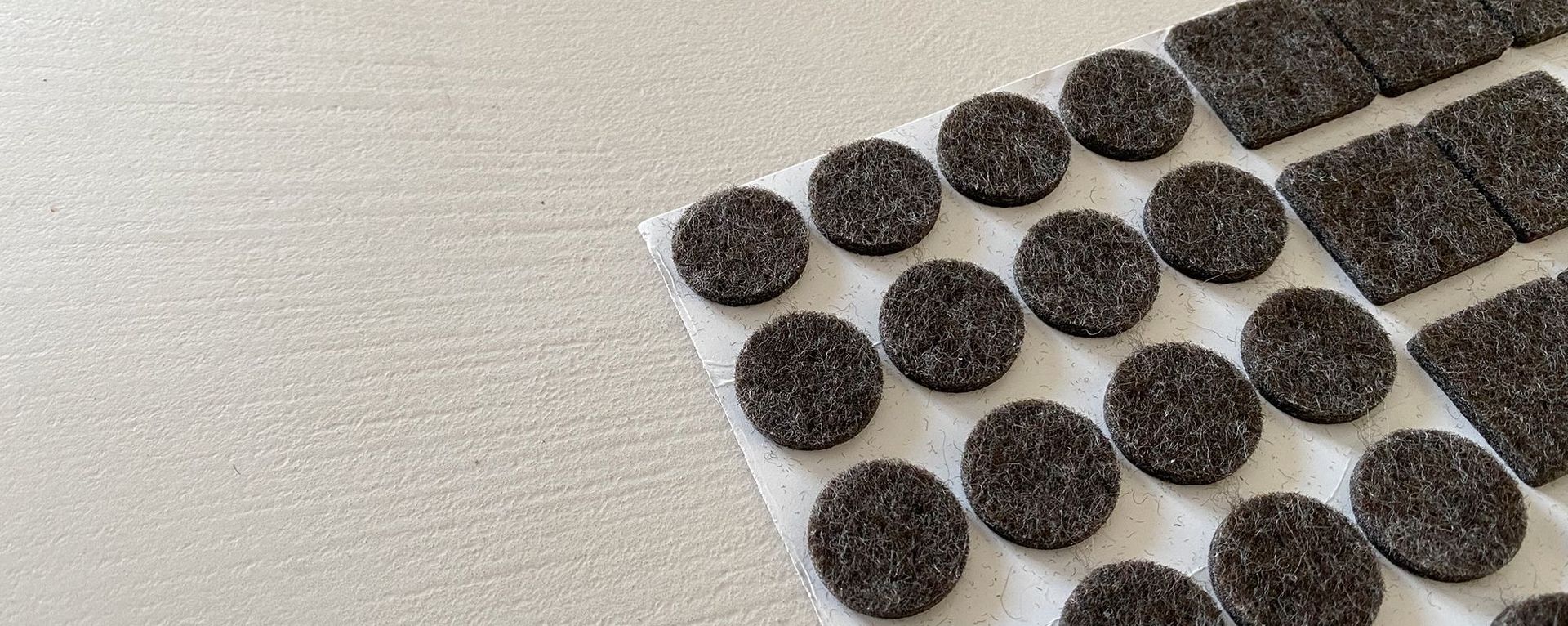
Some sealers take light foot traffic within hours, but full cross-linking takes days. A sneaky enemy is the rubber foot under chairs, tables and furniture: certain rubbers release compounds with time and warmth that bond tenaciously to the sealer, so the first time the table moves it tears the surface. Always recommend felt pads.
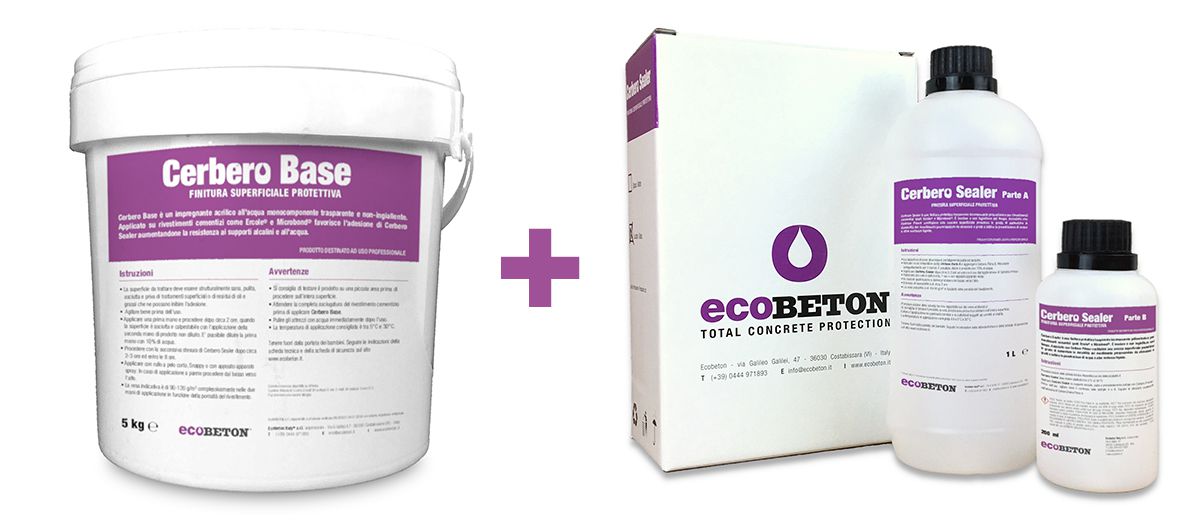
The Cerbero system (Base + Sealer) is available from our UK shop under sealers and additives.
See finished projects and the full UK microcement range on our microcement floors and walls page.